Scope of Cybersecurity Across IT Operations, DevOps & Cloud Platforms
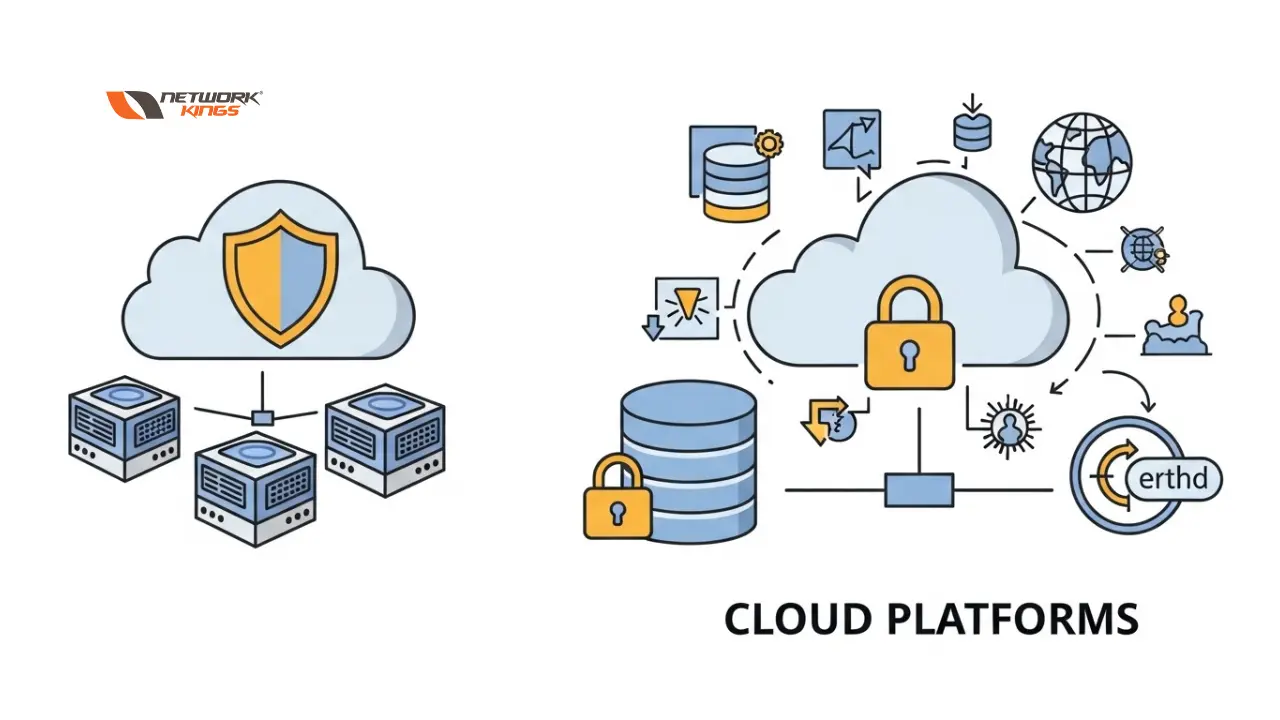
The digital landscape is transforming at an unprecedented pace. Organizations worldwide are migrating workloads to cloud platforms, adopting DevOps practices, and modernizing their IT operations to remain competitive. However, this rapid expansion has fundamentally changed the cybersecurity challenge. Today's security threats don't respect traditional departmental boundaries—they exploit vulnerabilities across IT infrastructure, development pipelines, and cloud environments simultaneously.
The expanding scope of cybersecurity now encompasses far more than perimeter defense. Modern organizations must integrate security into every layer of their operations: from infrastructure management to application development to cloud platform governance. Understanding how these domains intersect is critical for protecting your organization's most valuable assets.
The Evolution of Cybersecurity in Modern Infrastructure
Cybersecurity has evolved from a specialized IT function into an organization-wide imperative. Historically, security teams operated independently, managing firewalls and antivirus solutions behind a company's network perimeter. This approach is no longer sufficient.
Today's threat landscape demands a more integrated approach. Cyberattacks target the entire software development lifecycle, infiltrate cloud misconfigurations, and exploit operational inefficiencies. According to industry reports, the average cost of a data breach now exceeds $4 million, making security investment a business necessity rather than an optional expense.
The shift reflects a fundamental reality: security must be woven into the fabric of IT operations, DevOps practices, and cloud infrastructure from the ground up.
Cybersecurity in IT Operations: Building a Secure Foundation
Traditional IT operations teams manage servers, networks, and systems that support business continuity. Integrating security into these operations requires a proactive stance.
Key responsibilities include:
Implementing network segmentation and zero-trust architecture principles
Monitoring system logs and detecting anomalous behavior in real-time
Applying security patches and managing vulnerability remediation schedules
Enforcing access controls and maintaining detailed audit trails
Conducting regular security assessments and penetration testing
Modern IT operations must balance efficiency with security. This means establishing governance frameworks that define who can access what resources, implementing multi-factor authentication across all systems, and maintaining visibility into every device connected to the network. Organizations that embed security into their operational procedures reduce the time to detect and respond to threats significantly.
DevOps and the Security Integration Challenge
DevOps practices emphasize speed, automation, and continuous improvement. While these principles accelerate software delivery, they can introduce security blind spots if not carefully managed.
The concept of "DevSecOps" emerged to address this challenge—integrating security practices directly into the DevOps pipeline rather than treating it as an afterthought. This approach shifts security left, meaning vulnerabilities are identified and remediated during development rather than after deployment.
Essential DevSecOps practices include:
Automated vulnerability scanning in code repositories
Container image scanning before deployment
Static and dynamic application security testing (SAST/DAST)
Secure secrets management and credential handling
Compliance validation throughout the CI/CD pipeline
Post-deployment runtime monitoring and threat detection
Organizations implementing DevSecOps report faster security incident resolution and fewer production vulnerabilities. The key is breaking down silos between development, operations, and security teams, enabling them to collaborate from the earliest stages of software design.
Cloud Platform Security: Managing Risk in Distributed Environments
Cloud platforms introduce both opportunities and complexities for cybersecurity. The distributed nature of cloud infrastructure, combined with the responsibility-sharing model between cloud providers and customers, creates unique security challenges.
Most cloud security incidents stem from misconfigurations rather than platform vulnerabilities. A single misconfigured S3 bucket or unprotected database can expose sensitive data to the entire internet. Additionally, organizations must manage security across multiple cloud providers, regions, and service types—a task that demands comprehensive visibility and governance.
Critical cloud security priorities include:
Implementing identity and access management (IAM) across all cloud accounts
Encrypting data both in transit and at rest
Regularly auditing cloud configurations and compliance posture
Monitoring and logging all cloud activities for threat detection
Establishing disaster recovery and business continuity plans
Using cloud-native security tools and services
Cloud providers like AWS, Microsoft Azure, and Google Cloud offer sophisticated security services, but organizations remain responsible for proper configuration and maintenance. This shared responsibility model requires clear documentation of who owns which security controls.
Integrating Security Across All Domains
The real challenge lies in creating cohesive security across IT operations, DevOps, and cloud platforms. This requires:
Unified governance: Establish clear policies defining security requirements, acceptable risks, and compliance obligations across all domains.
Automated enforcement: Use infrastructure-as-code and policy-as-code to automatically enforce security standards rather than relying on manual processes.
Continuous monitoring: Deploy security information and event management (SIEM) solutions that collect and analyze logs from all sources, enabling rapid threat detection.
Skilled teams: Invest in training and hiring professionals who understand the intersection of operations, development, and security.
Incident response readiness: Develop playbooks and conduct regular simulations to ensure teams can respond quickly to security incidents.
Conclusion
The expanding scope of cybersecurity reflects the complexity of modern business environments. Organizations no longer have the luxury of treating security as a separate concern. Instead, security must be integrated into IT operations, embedded in DevOps practices, and baked into cloud platform governance.
By adopting a holistic approach to cybersecurity—one that acknowledges the interconnected nature of infrastructure, development, and cloud services—organizations can build resilient systems that protect against evolving threats while enabling business innovation. The most successful companies recognize that cybersecurity does not impede digital transformation; it's an enabler of sustainable, trustworthy operations.
Start by assessing your current security posture across all three domains, identifying gaps, and establishing a roadmap for integration. In today's threat landscape, a fragmented security approach is no longer viable. The future belongs to organizations that unify their security efforts across all operational domains.

The founder of Network Kings, is a renowned Network Engineer with over 12 years of experience at top IT companies like TCS, Aricent, Apple, and Juniper Networks. Starting his journey through a YouTube channel in 2013, he has inspired thousands of students worldwide to build successful careers in networking and IT. His passion for teaching and simplifying complex technologies makes him one of the most admired mentors in the industry.